Technologies
Better known as @wizardofswift
Sets the technical direction for FiberSwift: architecture, AI and data strategy, security and the engineering team that ships BetaCampus, Quick Pass and client platforms.

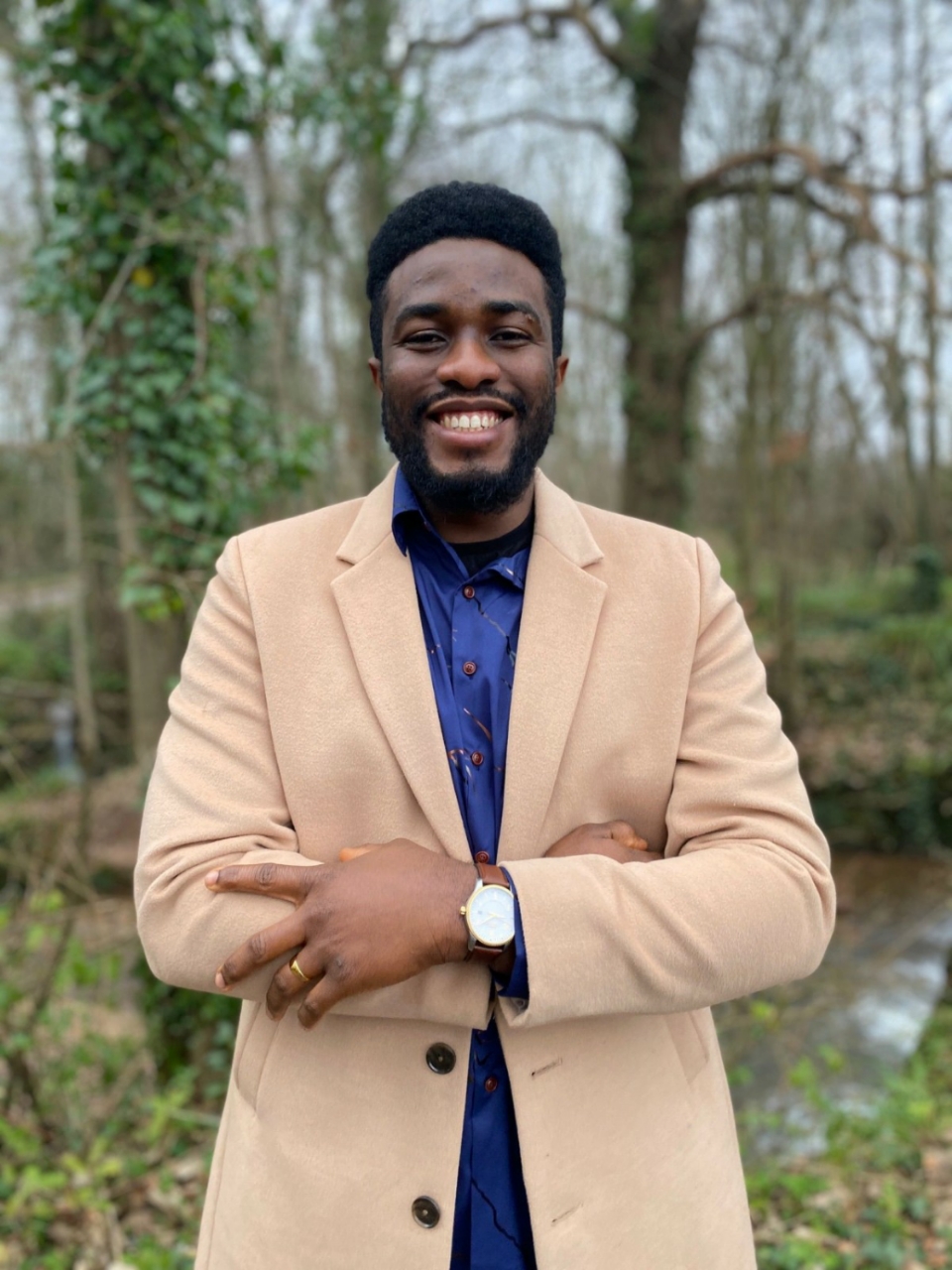
Ikenna Agu, better known as wizardofswift, is the Chief Technology Officer of FiberSwift Technologies. He is accountable for how every FiberSwift product is designed, built, secured and scaled, and for the engineering team that delivers them.
Over eight years he has moved from building backends himself to setting technical direction for the whole company: choosing architectures that a small team can run, deciding where machine learning earns its place in a product, and holding delivery to a standard clients can rely on.
The platforms in the FiberSwift portfolio, including BetaCampus, Quick Pass ticketing and client business platforms, are built under his technical leadership. He still reviews designs and critical code, because the cheapest bug to fix is the one caught in review.
As wizardofswift he shares what he is building and learning in public on X/Twitter, and mentors engineers who want to move from tutorials to production work.
Roadmaps, build-versus-buy decisions and technology choices tied to business outcomes.
Scalable backends, clean APIs and data models that survive change.
Where machine learning belongs in a product, and the data pipelines that feed it.
Review standards, testing, CI/CD and release discipline.
Access control, secure payments, monitoring and incident readiness.
Paystack-style gateways, webhooks, third-party APIs and reconciliation.
Containerised deployments, observability and cost-aware infrastructure.
Hiring, technical coaching and growing engineers into owners.
Technologies used and directed across FiberSwift products, from machine learning to payments and infrastructure.
Boring, well-understood architecture is easier to hire for, debug at 2am and change next year.
Profile first. Most performance problems are one query or one missing index, not a missing cluster.
A feature is not done at merge. It is done when it is deployed, monitored and understood by the person on call.
Machine learning is a product decision. If a rule or a query does the job, we ship that and keep the model for where it truly helps.
A clear no, or a later date, early on is cheaper than a surprise at launch.